How often should an office be cleaned is one of the first questions a small business asks when it starts looking for a cleaning contract, and the honest answer is that it depends on more than most people expect. Headcount, footfall, and the type of work happening in the space all play a part.
So How Often Should an Office Be Cleaned?
There is no single answer that works for every business, but a few factors make the decision easier. A busy office with dozens of staff, regular visitors and a shared kitchen usually needs daily attention just to stay on top of things. A small office with a handful of people working quietly at desks most of the day generates far less mess, and daily cleaning for a space like that can be more than the business actually needs.
The right frequency comes down to how quickly a space gets dirty again after a clean, not how many square feet it covers. A large office with low footfall can sometimes need less attention than a small one that sees a steady stream of visitors, deliveries and client meetings.
Hybrid working has changed this calculation for a lot of businesses too. An office that is half empty on Mondays and Fridays but full midweek does not need the same cleaning pattern as one that runs at full capacity every day, and a contract that ignores this ends up either overpaying or falling behind.
What Twice Weekly Cleaning Typically Covers
For smaller offices, two visits a week is often the right balance. Desks, floors and communal areas get attention regularly enough that things never build up, without paying for a daily visit that is not doing much beyond wiping surfaces that are already clean.
Bins, kitchens and washrooms still get covered every visit, just on a schedule that matches how the space is actually used. A twice weekly contract is not a lesser version of a daily one, it is simply matched to a different pace of use.
Most small offices settle into a rhythm quite quickly once the right frequency is found, but that rhythm deserves a second look every so often rather than being left on autopilot as the team grows or shrinks. A headcount that doubles over a year usually needs a cleaning schedule that grows with it, even if nobody thinks to mention it to the cleaning company at the time.
Signs Your Current Schedule Is Not Working
A few signals suggest a business has outgrown its current cleaning frequency. Bins overflowing before the next visit, a kitchen that looks tired by midweek, or staff commenting on the state of the washroom are all worth listening to. On the other hand, a cleaner turning up to a space that barely needs touching is a sign the frequency could safely come down.
The British Institute of Cleaning Science (see the BICSc Standards and Best Practice guidance) publishes standards and best practice guidance covering how cleaning frequency should relate to how a space is actually used, rather than applying one schedule regardless of size.
Seasonal changes matter here as well. An office that copes fine with a lighter schedule through summer can pick up more mud, dust and general wear through the colder months, and a good contract flexes with that instead of running the exact same routine all year.
A Working Example: Fizz Accounting
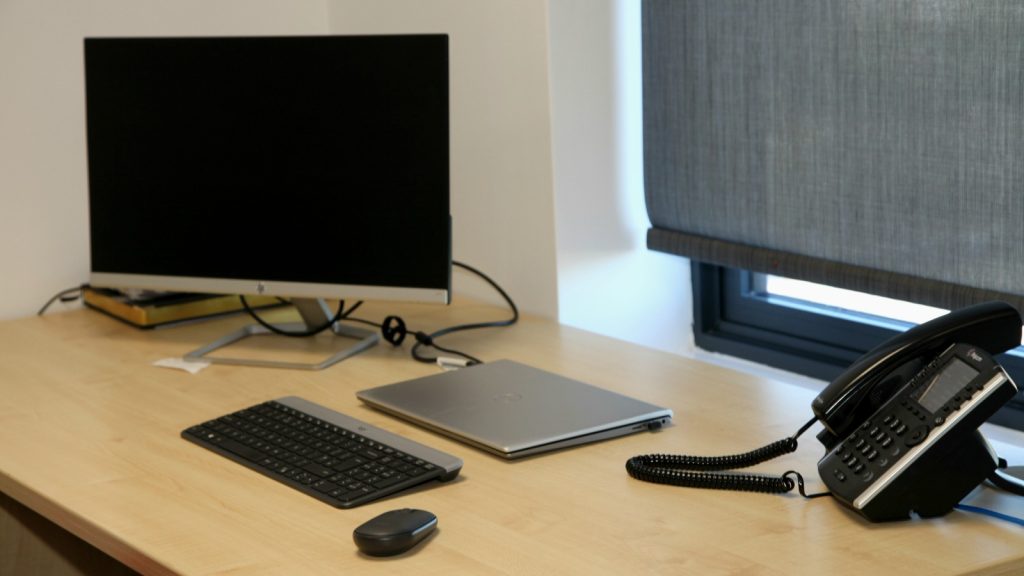
We have cleaned Fizz Accounting’s office in Thame twice a week since 2023, keeping desks, floors and communal areas consistently presentable without over servicing a small space that does not need daily attention.
It is a good example of matching frequency to the size of the business rather than defaulting to the same schedule for every client, and the arrangement has suited them well for several years now. Read more in our Fizz Accounting case study.
If you are not sure whether your office is being cleaned too often or not often enough, get in touch and we will help you work out the right schedule.